
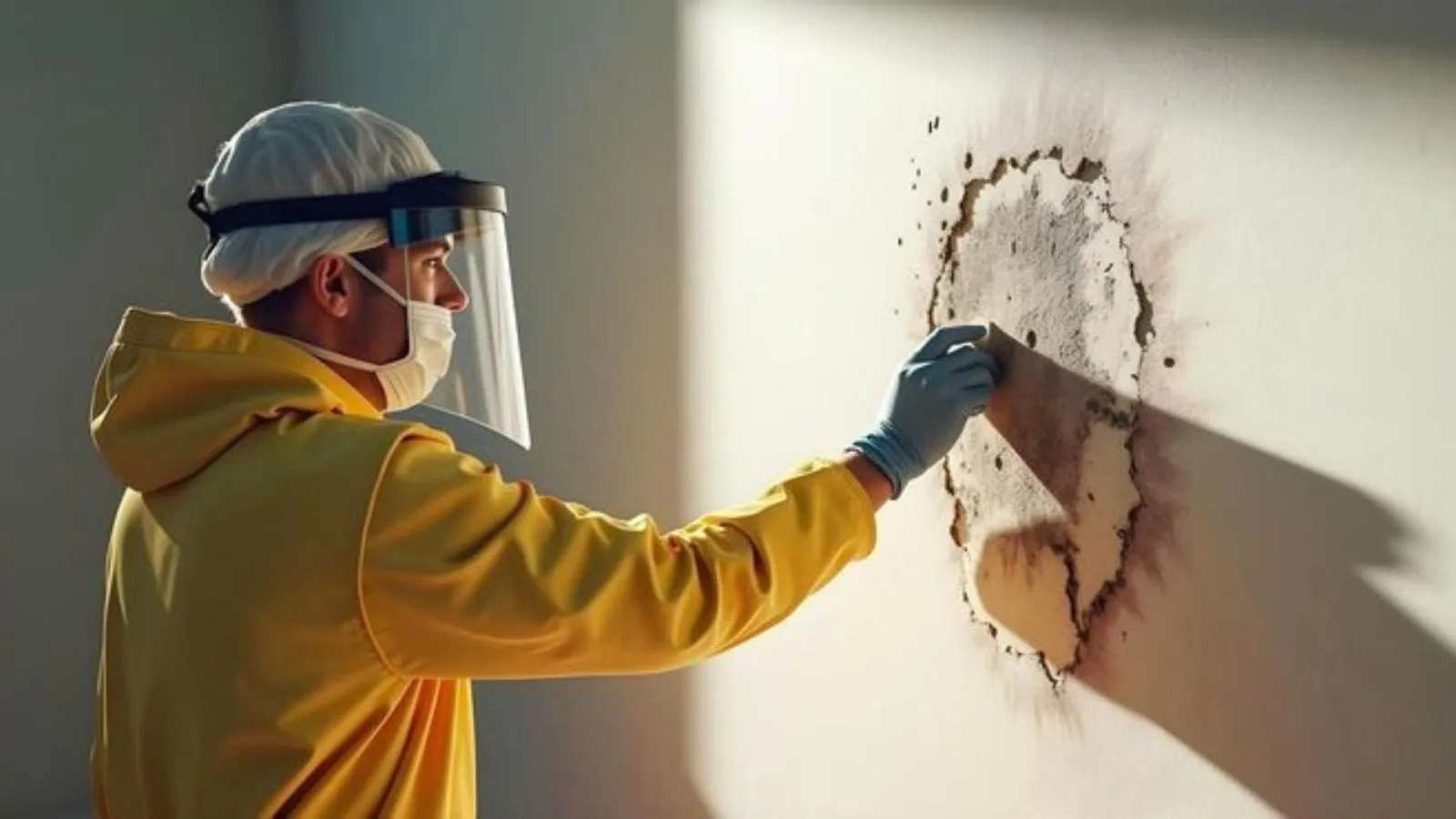
Mold coverage is one of the most confusing parts of a homeowners policy. Many people assume it is covered because it follows water damage, and some policies do cover it in that case. Others exclude it, or cap payouts at a low limit.
This guide is general information. Your policy language controls, and your insurer makes the final decision.
Mold from a covered water loss
If mold develops after a sudden, covered water loss, such as a burst pipe, many policies include the mold removal as part of that claim. Speed matters. A quick report and fast drying lower the odds of mold, and also strengthen the claim.
Mold from long-term leaks
Mold that grows from a slow leak, ongoing humidity or poor maintenance is often excluded. Insurers may argue that the leak could have been fixed earlier. Document when you first noticed the problem and fix it promptly.
Sub-limits and endorsements
Some policies cap mold payouts at a fixed sub-limit that can be low compared with the cost of a large job. Others offer an endorsement to raise it. Ask your agent about both, and read the declarations page before you need it.
| Situation | Typical treatment | Action |
|---|---|---|
| Mold after a burst pipe | Often within the water claim | Report quickly and dry fast |
| Mold from a slow leak | Often excluded | Document and fix early |
| Mold from flooding | Flood is excluded | Check for flood policy |
| Low mold sub-limit | Capped payout | Ask about an endorsement |
What to document
Take dated photos, keep plumbing or roofing repair receipts and ask any contractor for a written scope and moisture readings. Do not discard damaged materials until the adjuster says you can.
Questions to ask your agent today
Ask whether your policy has a mold sub-limit and how much it is. Ask whether mold from a covered water loss is paid within the main claim or separately. Ask whether sewer backup coverage includes mold. Ask what proof is required if the mold grew slowly.
Write down the answers and keep them with your policy.
- Is there a mold sub-limit?
- Is mold paid within the water claim?
- Does water backup coverage include mold?
- What proof does a slow leak need?
How to protect a claim while you wait
Fix the water source, begin drying and keep damaged materials until the adjuster has seen them or told you otherwise. Ask your contractor for moisture readings and photos. Delay in drying can turn a covered loss into a larger one that the insurer argues you should have prevented.
Why speed protects both your home and your claim
Mold needs about a day or two of dampness to start in many materials. Drying fast removes the condition mold needs. It also shows the insurer that you acted promptly, which matters when policies ask you to mitigate further loss.
If a crew is needed, call early and ask for readings at the start and end of drying. Those numbers show that materials were brought back to normal.
Mold after rental, condo or shared-wall leaks
If you rent or live in a condominium, mold may involve a landlord or association. Read your lease or governing documents, notify the responsible party in writing and keep a dated record. Your own renters or condo policy may cover your belongings even when the building is not yours.
Photos, dates and copies of every message are your best protection.
What to do if your claim is denied
Ask for the denial in writing and read the reason. Compare it with your policy language, then ask the insurer to explain. If you disagree, the Massachusetts Division of Insurance has a consumer line at 617-521-7794 that can explain options and next steps.
Keep all documentation, including moisture readings, photos and contractor notes. They are the evidence you will need.
Mold coverage and home sales
If you are buying or selling a home, mold can complicate a deal. Sellers may be asked to remediate, and buyers may ask about past water damage. Keep records of repairs, receipts and any clearance results. Lenders and buyers set their own requirements, so ask them what they need before you spend money.
Small habits that reduce mold claims
Run bath fans, fix drips early, keep gutters clear and watch humidity. These habits cost little and lower both mold risk and the chance of a disputed claim. Keep a simple home maintenance log with dates and receipts, which shows an insurer that you took care of the property.
Standards and Sources Behind This Page
According to the Massachusetts Division of Insurance, standard homeowners policies exclude flood and basement seepage and generally do not cover sump pump failure or sewer backup without an endorsement. The Division also publishes a Post Disaster Claims Guide.
Stoughton homeowners and mold claims
The Massachusetts Division of Insurance notes that standard policies exclude flood and basement seepage, so mold that follows basement flooding is typically not covered. About three quarters of Stoughton households own their homes, so these rules matter locally. State guidance also notes that Massachusetts issues no mold remediation license.
For the work itself, see mold remediation and, for drying after a loss, structural drying. We serve Brockton and East Walpole.
Common questions
Often, as part of the water claim, but check your policy.
Flood is excluded under a standard Massachusetts policy, so resulting mold usually is too.
A cap on how much your policy pays for mold, separate from the main coverage.
Take photos first and ask your insurer what documentation they need, then do not delay needed drying.
The Massachusetts Division of Insurance consumer line is 617-521-7794. Keep your documents ready when you call.