
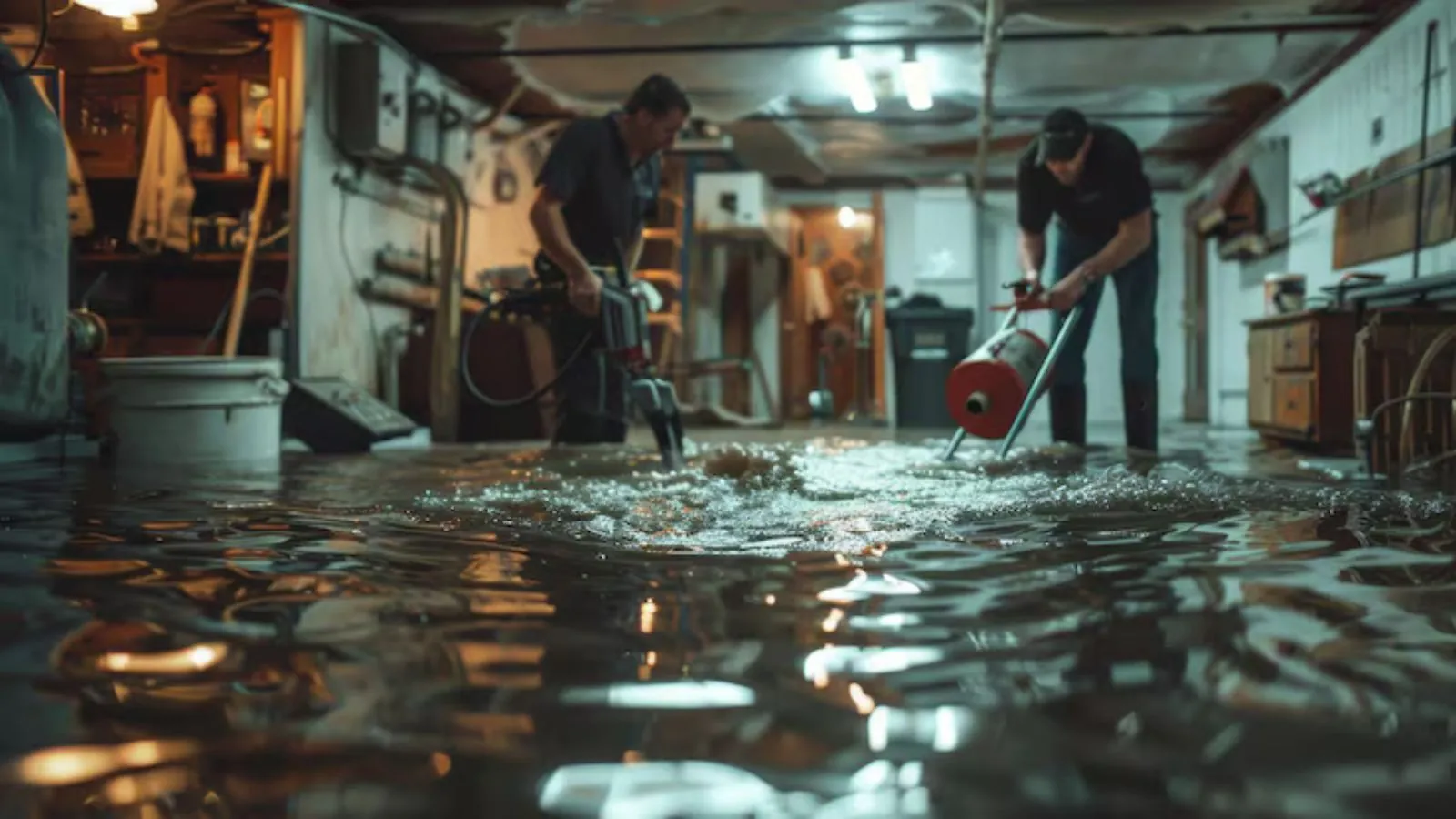
Emergency water extraction in Stoughton starts with one goal, which is getting standing water out of the building before it soaks into framing and subfloor. Our 24/7 line is open now, so call first and then keep reading. While a crew is on the way, shut off the water supply if a pipe is the source, stay off wet floors near outlets, and lift small items onto dry surfaces.
Extraction is not drying. It is the bulk removal step that makes drying possible, and the two jobs work best as one continuous visit.
Why the first hours decide the outcome
Water that sits on a floor wicks upward into baseboards and drywall and sideways under cabinets. Every extra hour spreads the wet area and raises the odds that carpet pad, insulation and trim cannot be saved.
Here is what helps while you wait for the crew:
- Turn off the main shutoff if water is still flowing
- Switch off breakers only if you can reach the panel without standing in water
- Move rugs, boxes and electronics to higher ground
- Take photos of the water line before anything is moved
Where Stoughton water comes from
The Abington, Easton and Stoughton Hazard Mitigation Plan lists repeat flooding at the Red Wing Brook area, Pratts Court and the West Street culvert near Ames Long Pond. Heavy rain that overwhelms those drains can push water into low basements and garages.
Indoor sources matter just as much. A failed washing machine hose or a split supply line can put hundreds of gallons on a floor in the time it takes to find the shutoff.
Signs you need extraction and not just a mop
A wet-dry vacuum handles a spill. These conditions call for pumps and extractors.
Water above the baseboard
Standing water deeper than an inch usually means the wall cavity is already taking it in.
Soaked carpet and pad
If a footstep makes water rise around your shoe, the pad holds far more than the surface suggests.
Pooled water in a basement
Anything you can see across the floor needs pumping, not towels.
Musty smell within a day
Odor this early points to water trapped under flooring or behind trim.
How the removal visit works
The crew follows the same order on every job so nothing gets skipped under pressure.
Stop the source
The crew confirms the supply or leak is off, or notes that rain or groundwater is the cause.
Remove the bulk water
Submersible pumps clear depth, then extractors pull water from carpet, pad and hard floors.
Map the moisture
Meters and a thermal camera show where water traveled beyond what is visible.
Hand off to drying
Air movers and dehumidifiers are set so the structure keeps drying after the crew leaves.
Pump, vacuum or both
The right tool depends on depth, flooring and how fast the water is rising.
| Situation | Best method | Why |
|---|---|---|
| More than 2 inches across a basement | Submersible pump, then extractor | Pumps move volume, extractors finish the surface |
| Wet carpet over pad | Weighted extractor wand | Pulls water from the pad without lifting everything |
| Water under hardwood or tile | Specialty drying mats after extraction | Surface vacuuming alone leaves the subfloor wet |
| Sewage or river water | See sewage backup cleanup | Contaminated water needs different handling and disposal |
Large basement floods often continue into basement water damage cleanup and structural drying once the water level is down.
What drives the cost of extraction
Price depends on the depth and square footage of water, how many hours of pumping are needed, whether power is available, and how much flooring must be extracted by hand. We explain the scope and price before work starts, and we never quote a number over the phone without knowing the situation.
A general note on insurance:
- Sudden pipe or appliance failures are often covered, but flood and groundwater seepage usually are not under a standard Massachusetts policy
- Report the loss to your insurer promptly and keep your photos
- Ask your insurer what documentation they want before work begins
The Massachusetts Division of Insurance publishes a post-disaster claims guide for homeowners who want to read the process first.
Standing water in the house?
Call now and a dispatcher will walk you through the safe first steps.
Extraction across Stoughton and nearby towns
Crews dispatch from Stoughton and reach homes near Route 24 and Route 138 quickly, along with neighborhoods around the commuter rail station and the Town Center. We also cover Avon, Holbrook and Brockton.
After the water is out, most jobs continue into structural drying so framing reaches a safe moisture level. When the cause is a broken pipe, see burst pipe water damage for the plumbing side.
Water Extraction questions answered
Yes. The line is staffed around the clock, and a dispatcher explains what to do in the first minutes and when a crew can reach you.
As fast as possible. Water begins soaking into drywall and subfloor within hours, and carpet pad often cannot be saved after a day or two.
A small spill, yes. Deep water, hidden pockets under flooring and any contaminated water are better handled by a crew with extractors and moisture meters.
Clean supply water is discharged where allowed. Contaminated water follows different rules, so ask the dispatcher if your source is sewage or river overflow.
No. Extraction removes the bulk water, but framing and subfloor stay damp until they are dried to normal moisture content, which is the next step.
Yes. A crew member can assess the depth and spread, explain what extraction would involve and quote the scope. Arrival timing depends on the day, so ask the dispatcher what is realistic.