
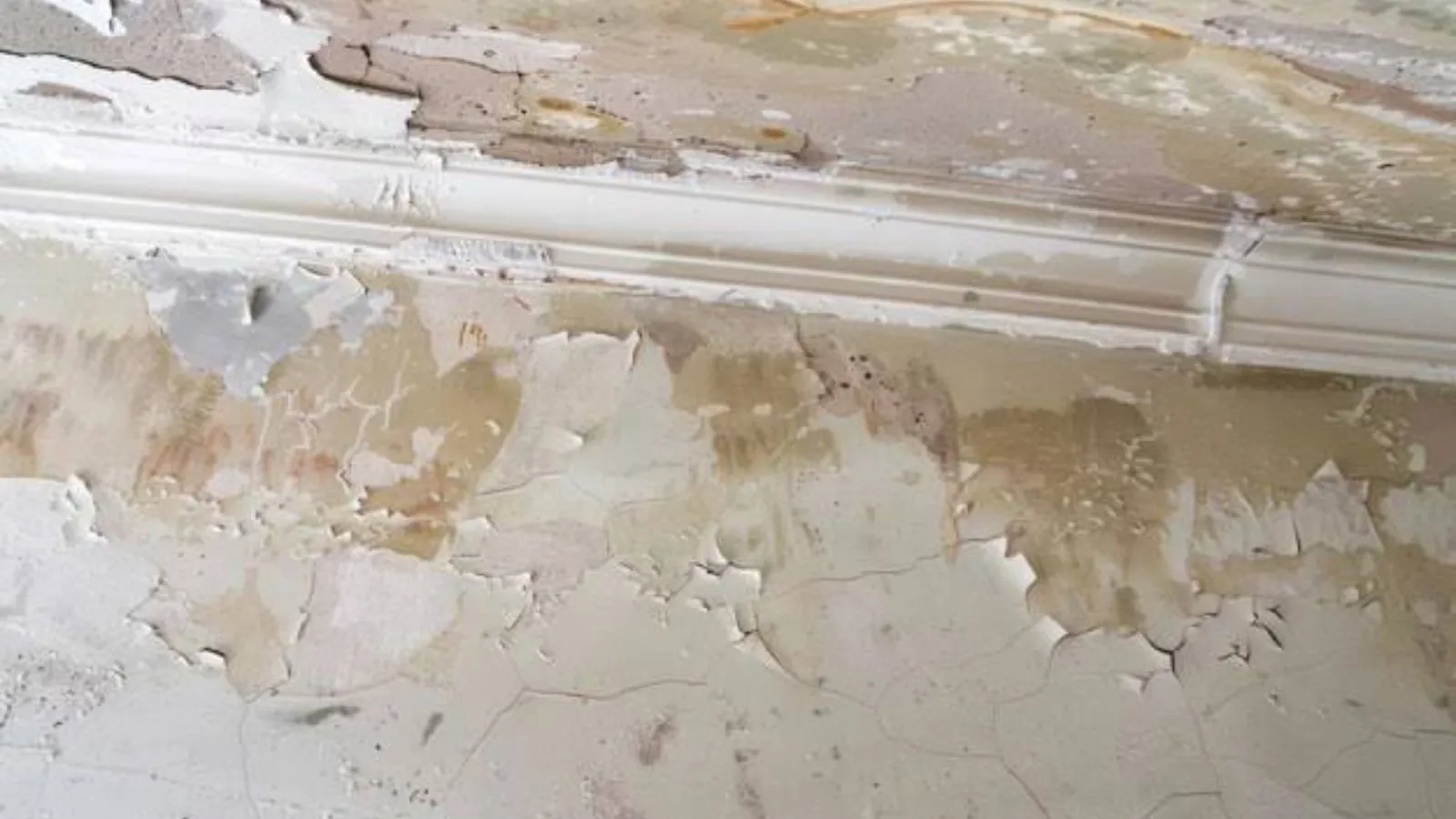
Mold needs three things to grow, which are spores, a food source and moisture. Spores are everywhere and drywall is food. That leaves moisture as the only thing you can control, so finding it is the real work.
Cleaning mold without finding the source is like mopping a floor under a dripping pipe.
Start with the location of the mold
Where the mold sits tells you a lot. A patch low on a wall near a bathroom suggests a plumbing or tub leak. A ring on an upper ceiling corner suggests a roof or ice dam leak. Mold in a closet by an exterior wall often points to condensation. A patch beneath a window points to a leaking frame.
Use simple tools
A moisture meter, even an inexpensive one, shows whether a wall is wet inside. A thermal camera highlights cold, damp areas. If you have neither, press the wall gently and feel for coolness or softness, and look behind furniture and inside cabinets under sinks.
A hygrometer shows indoor humidity. Levels that stay high for days feed mold even without a leak.
| Clue | Likely source | Next step |
|---|---|---|
| Low wall, near bathroom | Supply line or tub leak | Check access panels |
| Upper corner, ceiling | Roof or ice dam | Inspect attic |
| Exterior wall closet | Condensation | Improve airflow |
| Under a window | Window leak | Check flashing and seal |
| Whole room musty | High humidity | Dehumidify |
Fix the source, then dry
Once found, the source is fixed by the right trade, whether plumber, roofer or window installer. Then the wall is dried before any cleaning or repair. Drying matters because damp drywall will grow mold again, and wet sections are cut out as described at wall and drywall water damage repair.
Seasonal patterns that point to the source
Mold that appears in late winter often traces to condensation or ice dam leaks. Mold that appears in midsummer often traces to humidity and cool surfaces, such as basement walls and ductwork. Mold that appears after a storm points to roof or window leaks.
Keeping a short log of when you first noticed it helps you and any professional narrow the cause.
What to do while you investigate
Reduce humidity with a dehumidifier, open interior doors for airflow and move furniture away from affected walls. Avoid sealing the area with plastic, which can trap moisture. If a plumbing leak is suspected, shut off the water to that fixture until a plumber looks.
Photograph the area each week so you can show progress or growth.
- Run a dehumidifier in damp rooms
- Keep furniture off affected walls
- Do not cover with paint or plastic
- Photograph weekly
Moisture sources people overlook
Dryer vents that discharge into a basement or attic, bathroom fans that vent into the attic instead of outside and a crawl space with exposed soil all put water into the air. So do houseplants in large numbers, unvented gas heaters and a basement drain with a dry trap.
None of these looks dramatic, but each can supply enough moisture for mold to keep returning.
When the source is outside the house
Poor grading, clogged gutters, downspouts that dump against the foundation and cracked sidewalks can push water toward the house. Window wells without drains fill after storms. In those cases the wall mold is a symptom of an exterior problem, and cleaning inside will not hold until the exterior is fixed.
- Check that downspouts discharge away from the house
- Clear gutters before fall and spring
- Look at grading along the foundation
- Make sure window wells drain
Using a simple moisture log
Write down the date, the room, the reading from a moisture meter and the humidity. Take the same readings in the same places every few days. A rising pattern after rain points to an outside source, while a steady pattern near plumbing points to a leak.
A log also helps a professional decide quickly, so you pay for answers instead of searching.
When to bring in a pro to trace the source
If the readings stay high after you have checked the usual suspects, or if more than one room is affected, a professional with a thermal camera and meters can trace the path of moisture much faster than guessing. The fee for an assessment is small compared with repeated cleaning.
Tell them what you have already checked, so they do not repeat it.
Standards and Sources Behind This Page
EPA guidance in A Brief Guide to Mold, Moisture, and Your Home says to keep indoor humidity between 30 and 60 percent and to fix water problems within a day or two. The ANSI/IICRC S520 standard for professional mold remediation treats finding the moisture source as the first step.
Winter and summer in Stoughton
Stoughton winters bring ice dams and freezing pipes, and the state has had winter storm declarations in 2015, 2018 and 2022. Summers bring humid air that condenses on cool basement walls. Both feed wall mold, and both leave telltale patterns.
If you find moisture, read ceiling water damage repair for roof and attic leaks, and see the local response pages for Brockton and East Walpole.
Common questions
Leak mold clusters near a source, while humidity mold spreads across cool surfaces. A moisture meter helps tell them apart.
Often. A thermal camera and moisture meter show wet areas inside the wall.
No. Fix the source first, then dry, then clean or replace.
Ice dams, pipe leaks and condensation on cold exterior walls are common causes.
Keeping indoor humidity below about half is a common guideline. A basic hygrometer shows where you stand.