
Water damage companies use several words that sound alike. Restoration, remediation and mitigation overlap in daily use, but they describe different parts of the job. Knowing the difference helps you read an estimate and compare companies.
No single definition is universal, so ask any company what it means by each term.
Mitigation
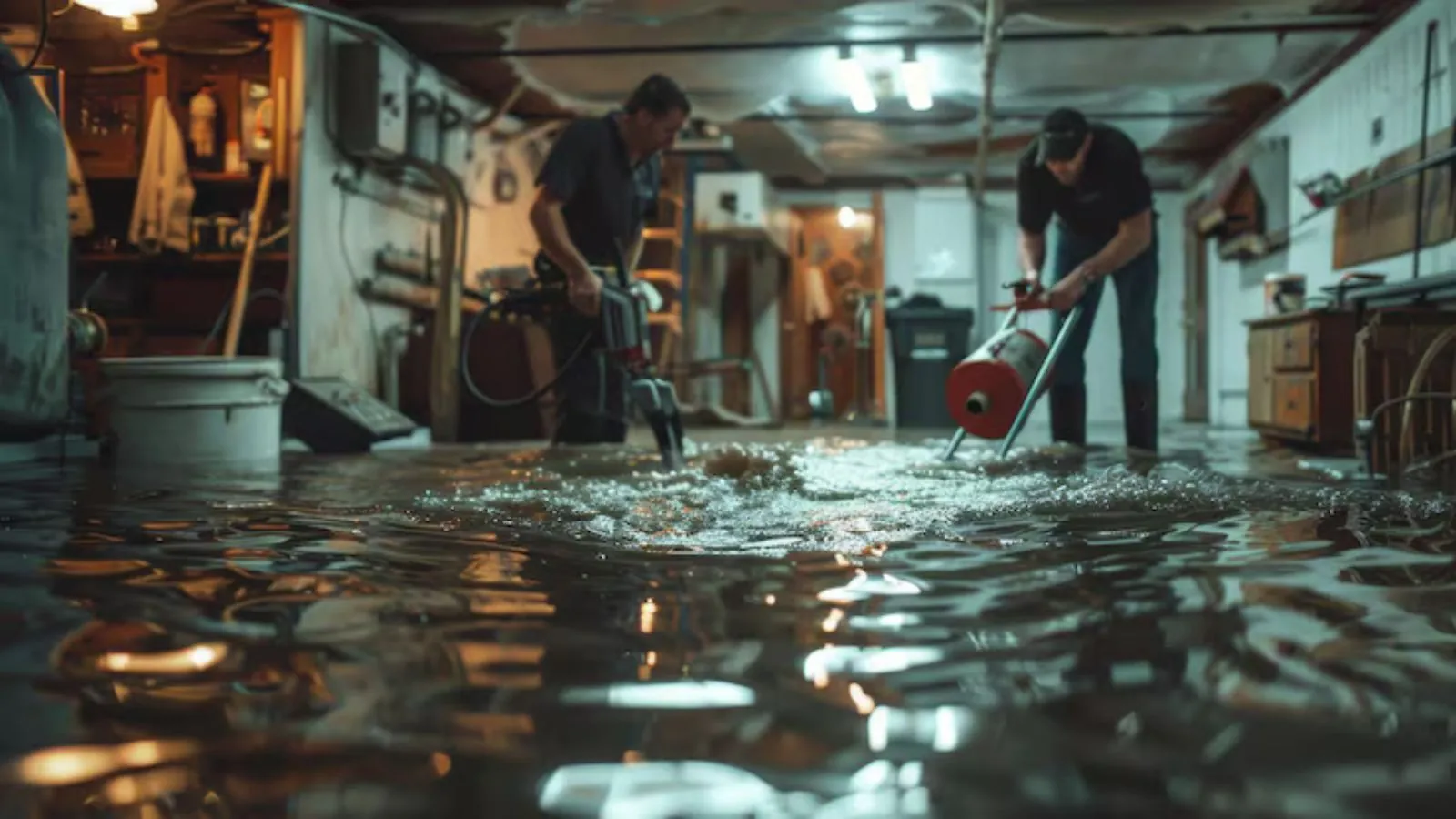
Mitigation is the first step. It means limiting damage by stopping the water, removing it and drying the building. Mitigation happens in hours and days. It aims to prevent further harm.
Remediation
Remediation means correcting a problem, such as removing mold or contamination. A mold remediation project includes containment, removal of affected materials and cleaning. Remediation can follow water damage when something harmful remains.
Restoration
Restoration is the broader return to a pre-loss condition. It may include mitigation, remediation, and rebuilding work like drywall, flooring and paint. Some companies handle all of it, and others handle only the first phase.
| Term | Main goal | Typical tasks |
|---|---|---|
| Mitigation | Limit damage | Shutoff, extraction, drying |
| Remediation | Correct a hazard | Mold removal, contamination cleanup |
| Restoration | Return to pre-loss | Rebuild drywall, floors, paint |
| Repair | Fix what failed | Plumbing, roofing |
Why the words matter
A quote for mitigation alone may leave you with an unpainted, partly open wall. A quote for restoration may include rebuilding that you intended to hire out. Ask exactly what is included, and who handles each part.
How these terms show up in real estimates
Some estimates list mitigation as an hourly or per-day charge for equipment and labor. Others bundle everything into a lump sum. Remediation often has its own line, such as containment or disposal. Restoration may be split among several contractors.
Ask for each part to be listed so you can see what is included and what you must hire separately.
Why insurers care about the difference
Insurers often treat mitigation as an urgent expense they expect you to start at once, while rebuilding comes later and needs approvals. Mold remediation may be subject to its own limits. Understanding the categories helps you talk with your adjuster.
Who does what on a typical job
On many jobs, a mitigation crew handles water removal and drying, a remediation crew handles mold or sewage, a plumber or roofer fixes the source and a general contractor handles the rebuild. Some companies cover several of these, and others coordinate trades.
Ask who is responsible for each stage and who coordinates when schedules overlap. Confusion between trades is a frequent cause of delay.
Questions that clear up the scope
Ask whether the quote includes rebuilding. Ask what happens if mold is found after demolition. Ask whether disposal and permits are included. Ask who signs off that the structure is dry. The answers show how the company defines its terms.
- Does the quote include rebuilding?
- What if mold is found later?
- Are disposal and permits included?
- Who confirms the structure is dry?
Examples of each term in plain language
A burst pipe in a kitchen is mitigated when the water is stopped, removed and dried. If mold is found, remediation removes it. Restoration returns the room to normal with new cabinets and paint. The plumber fixed the pipe, which is repair, not any of the three.
Seeing the terms in a simple story helps you read estimates without confusion.
Which scope fits your situation
A clean pipe leak caught within a day often needs mitigation and a small repair. A leak that sat for several days may add remediation. A flood or sewage event adds disinfection and larger rebuilds. Matching the scope to the situation avoids paying for work you do not need or missing work you do.
Terms insurers and contractors use differently
Some adjusters call everything restoration, while some contractors reserve the word for rebuilding. Ask your insurer which terms appear in your policy and your claim paperwork, and ask your contractor to define theirs in writing. Matching the words early saves arguments later.
Which companies do which work
Some firms specialize in emergency mitigation and leave rebuilding to others. Some are general contractors who subcontract drying. Ask the company directly which work it does with its own crews and which it hires out. That tells you who is accountable for each step and who you should call with questions.
What to Do When You Receive an Estimate
Use this short list before you sign.
- Ask the company to define mitigation, remediation and restoration in writing
- Ask which tasks are done by its own crew
- Ask what is not included, such as rebuilding
- Compare the written scope with another quote
Standards and Sources Behind This Page
The terms in this guide follow usage in the ANSI/IICRC S500 standard for professional water damage restoration and the ANSI/IICRC S520 standard for professional mold remediation. Each company may define terms slightly differently, which is why a written scope matters.
Terms used for Stoughton jobs
On a typical Stoughton job, such as a burst pipe in a finished basement, mitigation happens in the first days, remediation applies only if mold or sewage is present, and repair is the rebuild. Because homeowners often hire a separate contractor for finishes, clear scope matters.
Compare our pages on structural drying and mold remediation to see which part fits your situation. We serve Holbrook and Avon.
Common questions
No. Remediation corrects a hazard like mold, and restoration is the broader return to pre-loss condition.
Limiting damage by stopping, removing and drying water.
Not always. A clean pipe leak may need mitigation and repair only.
Ask what is included and who handles rebuilding, since companies define the terms differently.
Each company does. That is why it is worth asking for a written scope that lists each task.