
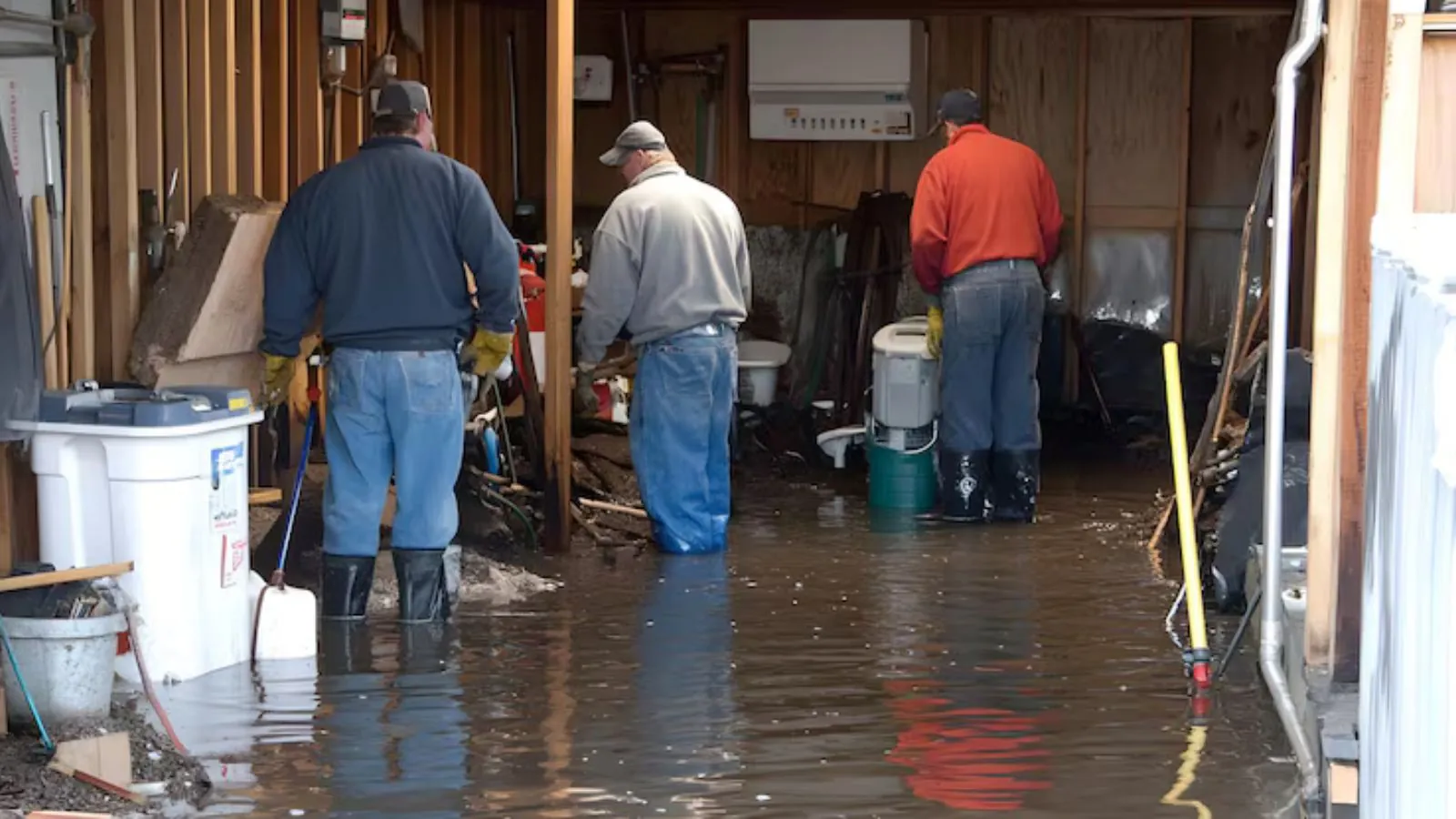
After water damage, the hardest question is often the simplest one. Can I keep this? The answer depends on two things, what the item is made of and what kind of water touched it. Clean water from a supply line is far more forgiving than floodwater or sewage.
Photograph everything before you throw it out, and ask your insurer how long to keep damaged items.
Start with the water type
Clean water comes from supply lines and appliances. Gray water carries some contamination, such as dishwasher or washing machine discharge. Black water includes sewage and floodwater. The darker the category, the less can be saved, and porous items from black water are almost always discarded.
Porous versus non-porous
Hard, non-porous items like glass, metal, glazed ceramics and hard plastic can usually be cleaned and disinfected. Porous items like carpet, upholstered furniture, mattresses, books, drywall and ceiling tile soak up water and contaminants and are harder to save.
| Item | Clean water | Floodwater or sewage |
|---|---|---|
| Glass and metal | Clean and keep | Clean and disinfect |
| Solid wood furniture | Dry and keep | Often cleanable |
| Upholstered furniture | Dry fast, may keep | Discard |
| Mattresses | Often discard | Discard |
| Carpet pad | Usually discard | Discard |
| Books and papers | Freeze and dry | Usually discard |
Food and medicine
Throw away food and medicine that touched floodwater or sewage, even in sealed packages that cannot be disinfected. Cans can be washed and disinfected if undamaged, but when in doubt, throw it out.
How to document before you discard
Take photos and make a list with approximate ages and costs. Keep a small sample of carpet or flooring if the insurer needs it. Do not discard high-value items until your adjuster has seen them.
Cleaning items you decide to keep
Wash hard items with detergent and clean water, then disinfect with a solution suited to the material. Let them dry completely before storing. Wear gloves and avoid mixing cleaners. For wood and fabric, air dry in a ventilated space and check for odor before putting things back.
Special cases worth a second look
Family heirlooms, antique furniture and original artwork may need a specialist before you clean or throw them away. Appliances that were submerged should be inspected before use. Medications and food that touched floodwater are discarded.
- Heirlooms and antiques: ask a specialist
- Submerged appliances: inspect first
- Food and medicine from floodwater: discard
- Mattresses and pillows: usually discard
A room-by-room approach
Start with the kitchen, where food and medicine need the strictest decisions. Move to bedrooms for mattresses and clothing, then living areas for furniture and electronics. Finish with the basement or storage, where boxes of paper and cardboard are usually lost.
Working room by room keeps you from throwing out items that could be saved or keeping items that cannot.
Clothing, linens and soft goods
Clean-water exposure often allows washing in hot water with detergent. Items from floodwater or sewage should be discarded unless they are valuable and can be professionally cleaned. Dry cleaning can help with some garments.
When in doubt about a sentimental item, set it aside in a bag and ask a cleaner before you decide.
Documenting for your insurer
Make a list with each item's description, age and approximate cost, and attach photos. Keep damaged samples if requested. Many insurers use depreciation, so older items pay less, which makes accurate records worth the effort.
Do not throw out large items before you have photographed them and, if needed, received approval.
Safe cleaning products and methods
Use detergent and clean water first, then a disinfectant labeled for the material. Wear gloves and eye protection and ventilate the room. Do not mix products. Rinse and dry thoroughly. Porous items that cannot be dried within a day or two are unlikely to be saved.
Special rules for kitchens and children's items
Toys, pacifiers and bottles that touched floodwater should be discarded unless they are hard plastic that can be washed and sanitized. Cutting boards and wooden utensils are hard to disinfect and are often replaced. Canned food can be cleaned if the can is undamaged, but open or paper-wrapped items go.
Standards and Sources Behind This Page
The clean, gray and black water categories used here come from the ANSI/IICRC S500 standard for professional water damage restoration. Guidance on food and medicine after flooding follows public health advice from the CDC and FEMA, which both say to discard items that touched floodwater.
Sorting belongings after Stoughton floods
Stoughton households have faced flooding from Steep Hill Brook, Red Wing Brook and street flooding such as the June 28, 2020 flash flood on Pearl Street. Floodwater items follow the strict rules above, while a pipe leak in a finished basement is more forgiving.
For deeper cleanup, read flood damage restoration and sewage backup cleanup. We serve Avon and Brockton as well.
Common questions
Solid wood often can be dried and cleaned. Upholstered pieces from floodwater should be discarded.
If it was clean water and short exposure it may be dried. Soaked or contaminated drywall is removed.
Usually discarded, since they are hard to dry and clean.
Flood and sewage water after heavy rain are treated as contaminated, so porous items from them are discarded.
Not everything. Photograph items and ask your insurer what must be kept. Contaminated items should not be stored indoors.